
Getting arrested for driving under the influence is stressful enough. When police impound your car, the pressure ramps up fast, especially if you do not know how to retrieve it properly. After a Franklin County DUI arrest, a Columbus DUI car impound usually follows a set process tied to local rules and administrative requirements, not a quick decision made at the roadside.
Confusion often starts when drivers are left guessing why their vehicle was held or who controls its release. Some impounds involve mandatory holding periods. Others depend on paperwork, proof of ownership, or payment of fees. Missing even one requirement can delay the process and keep your car out of reach longer than expected. Information shared by our team at Luftman, Heck & Associates is meant to explain how these impound rules actually work.
Why Cars Are Impounded After a DUI in Columbus
A vehicle is not impounded after every DUI or OVI arrest in Columbus. The decision is usually tied to public safety issues or specific administrative requirements in your unique situation, rather than punishment.
Common reasons a vehicle may be impounded include:
- Public safety concerns at the time of arrest
- Prior DUI or OVI history
- Whether the driver is also the vehicle owner
- Administrative penalties imposed at arrest
- No licensed or sober driver available to remove the vehicle
- Outstanding license suspension at the time of arrest
- Vehicle involvement in a repeat OVI offense
- Court-ordered restrictions from a prior case
In Columbus and Franklin County, officers apply these factors based on the circumstances at the scene. If a vehicle cannot be released safely, towing may be required. Administrative penalties can also trigger removal even when no immediate danger exists. This is where confusion often begins for drivers trying to understand Ohio’s OVI vehicle impound rules. The distinction between immobilization and impoundment in Ohio matters, because each option follows a different process and leads to different release requirements.
The Step-by-Step Process to Recover Your Vehicle
Getting your car back after an OVI arrest usually involves a few administrative steps, plus any court-related requirements tied to the arrest. How quickly the vehicle can be released and who is allowed to retrieve it often depends on offense history and ownership status.
What Happens to Your Vehicle After an OVI Arrest
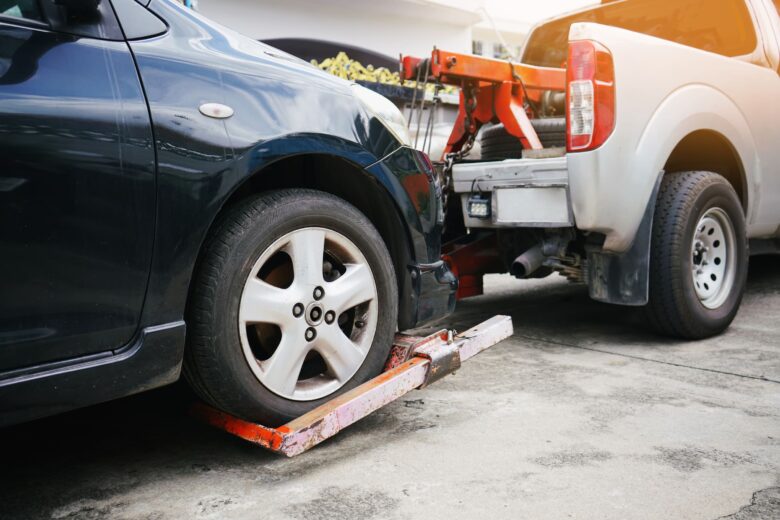
When your car is impounded after a DUI in Columbus, the vehicle is typically towed from the stop or arrest location by a contracted tow service. In many situations, the officer will provide paperwork that lists the tow company or impound lot, along with basic release instructions. If you do not get that information at the scene, it may be included in arrest documents you receive soon after, or you may need to call to confirm where the vehicle was taken. These steps are part of standard OVI arrest procedures in Ohio, and they often determine what you need to bring when you go to the lot.
Who Is Allowed to Retrieve an Impounded Vehicle
Who can retrieve the vehicle often depends on whether the case is treated like a first-time offense or a repeat situation, and whether the driver is also the registered owner. In a first offense OVI Ohio case, the owner may be able to pick up the car once the impound lot’s requirements are met, assuming there is no active court hold. If the arrested driver is not the owner, the registered owner may be the person who can complete the pickup, but the lot may still require a valid driver to remove the vehicle.
In a repeat OVI impoundment in Ohio situation, release rules can be stricter and may include additional conditions before the vehicle can leave the lot. Even when release is allowed, payment is usually required before the vehicle is turned over. That often includes towing and impound fees in Columbus, plus daily storage charges that increase the longer the vehicle stays there.
Requesting a Vehicle Release Hearing in Ohio
Some cases require a court order before the vehicle can be released, which is where a vehicle release hearing in Ohio may come into play. This process is often tied to seizures or holds that follow certain OVI-related circumstances, and the timing can matter as much as the paperwork. Ohio Revised Code § 4511.195 explains how a vehicle owner may request release through the court, including filing requirements and applicable deadlines. If a hearing is required, acting quickly can directly affect how soon your vehicle can be recovered.
Challenges That Can Delay or Prevent Vehicle Recovery
You may expect to get your car back quickly after an arrest, only to find the process takes longer than anticipated. In most situations, delays come from administrative steps or missed requirements rather than the DUI or OVI charge itself. These issues often explain why a Columbus DUI car impound does not move as fast as you expect. Common factors that can cause delays include:
- Unpaid towing or daily storage fees
- Missed vehicle release hearing deadlines
- Disputes over vehicle ownership
- Repeat OVI arrest implications
- Administrative license suspension complications
- Incomplete paperwork or documentation
These problems often overlap. A single unpaid fee can stop a release. An administrative license suspension in Ohio can also limit who is legally allowed to retrieve the car, even if you thought your ownership was clear. Ohio law allows license suspensions and related vehicle restrictions after certain OVI arrests, including continued holds or forfeiture under provisions such as Ohio Revised Code § 4511.196. Ohio State Highway Patrol data from 2025 shows that OVI arrests remain common statewide, which means these administrative delays affect many drivers each year.
How a Columbus Criminal Defense Lawyer Can Help
When your car is sitting in an impound lot, the hardest part is often not the tow itself. It is the runaround that starts afterward and the feeling that every person you call has a different answer. That is when having a Columbus criminal defense lawyer can make the next steps clearer.
A lawyer can start by pinning down what is actually stopping the release. That usually means reviewing the impound paperwork and confirming whether the court has placed a hold. If a release hearing is required, legal counsel can help you get the request filed correctly and on time. If the lot is asking for specific proof, an attorney can also help you understand what to bring so you do not make a wasted trip.
Legal help can also matter when the impound does not line up with the facts. Paperwork errors happen. Holds get applied when they should not, and those mistakes can drag out the process if nobody flags them. Luftman, Heck & Associates can help you understand your options when you are trying to get your car back after a DUI impound in Columbus, including what can be addressed quickly and what may take more time.
FAQs About Getting Your Car Back After a DUI Impound
Where is my car usually taken after a DUI impound in Columbus?
Most vehicles are taken to a private impound lot rather than a police facility. The specific location depends on which tow company responds and where the arrest occurs. In a DUI impound Columbus Ohio case, the tow location is often listed on arrest paperwork or can be confirmed by contacting the local police department.
What documents do I need to bring to the impound lot?
Impound lots usually require proof of ownership and a valid photo ID before releasing a vehicle. Some also require proof of insurance or a release authorization from the court.
Can I get my car back on weekends or after hours?
That depends on the impound lot, not the court. Some lots operate seven days a week with extended hours, while others do not. Keep in mind that storage fees often continue to add up even when the lot is closed.
What happens if I cannot afford the impound fees right away?
Most impound lots require payment before releasing a vehicle. If fees are not paid, the vehicle usually stays in storage and daily charges will continue to accrue. In longer vehicle impound after OVI situations, unpaid fees can become a larger problem over time.
Can a car be sold or forfeited if it stays in impound too long?
In certain circumstances, yes. Ohio law allows forfeiture or other action when specific conditions are met, particularly in repeat cases. These situations fall under Ohio OVI vehicle forfeiture laws, and they usually involve additional notice and court involvement.
Does insurance cover towing and impound fees?
Sometimes, but coverage will vary by policy. Some insurance plans include limited towing or storage benefits, while others do not. Many drivers end up paying these costs out of pocket.
Can I retrieve personal items from my car while it is impounded?
In many cases, yes. Impound lots often allow owners to remove personal belongings even if the vehicle itself cannot be released yet. Policies vary, so it helps to ask the lot what is allowed.
Get Help Recovering Your Vehicle After a Columbus DUI Impound
At some point, reading stops helping and you just need a straight answer from a real person. If you feel stuck or tired of guessing, a quick conversation can help you figure out what to do next. You should not have to chase down five different sources to get help.
If you are trying to get your car back after a DUI impound in Columbus, Luftman, Heck & Associates offers a free consultation so you can ask questions and get a clear next step. To request yours, complete our contact form and share the basic details of your impound today.

 Call Now (614) 500-3836